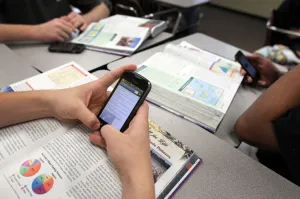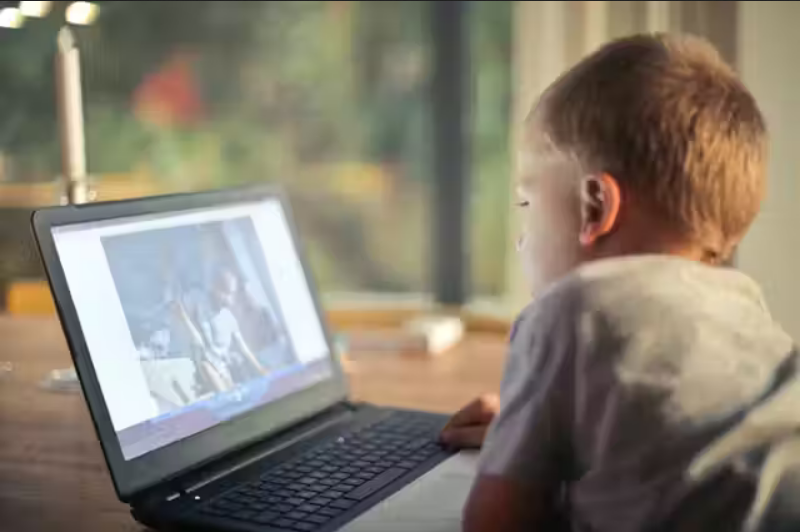
It’s been nearly a year since the emergence of ChatGPT, sparking both excitement and concerns regarding its implications for education. Recent developments include the integration of MyAI into Snapchat, a chatbot fueled by ChatGPT that encourages teens to ask about anything from gift ideas to homework help. Additionally, Microsoft has introduced “Copilot,” touted as an “everyday AI companion,” alongside “Bing Chat,” an AI-enhanced assistant accompanying the Bing search tool. This sudden accessibility of generative artificial intelligence, capable of creating new content like text and images, has opened doors for people of all ages, including young learners.
As researchers with a background in digital technology, we’re enthusiastic about AI’s potential but recognize the risks alongside its benefits. Here are three considerations for parents navigating AI with their kids:
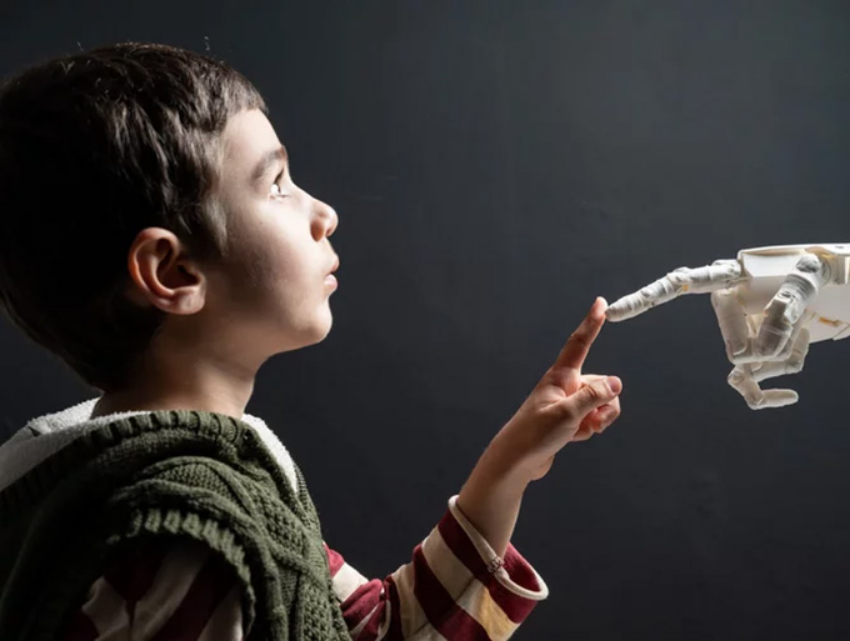
- **AI is Here to Stay**: While AI isn’t new, recent advancements have made it more pervasive in our lives. Despite concerns about its use in education, AI isn’t disappearing anytime soon. It’s crucial for parents to understand and engage with AI technologies themselves, allowing them to guide their children effectively.
- **Be Critical**: Generative AI can create impressive outputs but lacks critical thinking abilities. Children need to understand that AI-generated content may not reflect credible information or consider recent events. Encouraging critical thinking skills can help them navigate AI-generated content effectively.

- **Watch Out for Chatbots**: Chatbots like Replika may offer companionship but can pose risks, including exposure to inappropriate content. Parents should emphasize that AI is a machine, not a human friend, and establish boundaries regarding the types of interactions permitted with chatbots.
Additionally, it’s essential to discuss the broader implications of AI, including its capabilities with images and videos, and educate children about privacy concerns associated with uploading personal data online.
With open communication and oversight, AI can serve as a powerful learning tool, offering endless possibilities for children’s engagement and growth.